
📍 المستشفى البيطري التعليمي – كلية الطب البيطري – جامعة قنا.
تم استقبال عجل حديث الولادة، بعمر حوالي 3 أيام، مع تاريخ مرضي يشير إلى عدم حدوث التبرز منذ الولادة، مع ضعف شديد في الرضاعة .
أظهر الفحص الإكلينيكي:
• Pyrexia: 40.3°C
• Severe dehydration:
approximately 8–10%
• Sunken eyes
• علامات تشير إلى وجود abdominal discomfort.
تم إجراء
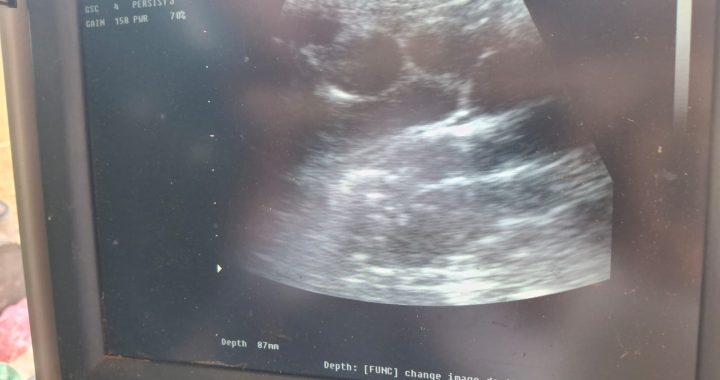
abdominal ultrasonography
لفحص الجهاز الهضمي والأعضاء البطنية وأثناء فحص intestinal loops لوحظت حركة غير طبيعية لمحتويات الأمعاء، مما أثار الاشتباه في وجود mechanical intestinal obstruction، مع وضع volvulus/torsion وintestinal atresia ضمن أهم الاحتمالات التشخيصية.
وكان من المفيد استكمال الفحص باستخدام Color Doppler لتقييم mesenteric blood flow، خاصةً للبحث عن أي vascular compromise قد يصاحب الـvolvulus أو الـstrangulating obstruction.
توضح هذه الحالة أهمية الربط بين history, clinical examination, and diagnostic imaging، خاصةً في حديثي الولادة، حيث قد يمثل failure to defecate from birth علامة مهمة على وجود congenital أو mechanical intestinal obstruction.
مدير المستشفى
أ.د. الحسين البدري
فريق العمل:
ط.ب: عمر أحمد محمد
معيد أمراض الباطنة بقسم طب الحيوان كلية الطب البيطري جامعة قنا.
طلاب الفرقة الخامسة
أ/مبارك
أ/ممدوح
A Challenging Neonatal Calf Case | Clinical Reasoning Beyond a Single Finding
📍 Veterinary Teaching Hospital – Faculty of Veterinary Medicine – Qena University
A 3-day-old neonatal calf was presented with a history of no defecation since birth and severe failure to suckle, having received only one nursing episode since birth.
Clinical examination revealed:
• Pyrexia: 40.3°C
• Severe dehydration: approximately 8–10%
• Sunken eyes
• Signs of abdominal discomfort
Abdominal ultrasonography
was performed to evaluate the gastrointestinal tract and abdominal organs. During examination of the intestinal loops, abnormal movement of the intestinal contents was observed, raising suspicion of mechanical intestinal obstruction, with volvulus/torsion and intestinal atresia among the main differential diagnoses.
Color Doppler would have been valuable to assess mesenteric blood flow, particularly for detecting any vascular compromise associated with volvulus or strangulating obstruction.
This case highlights the importance of integrating history, clinical examination, and diagnostic imaging, particularly in neonatal patients, where failure to defecate from birth may be an important indicator of congenital or mechanical intestinal obstruction.